
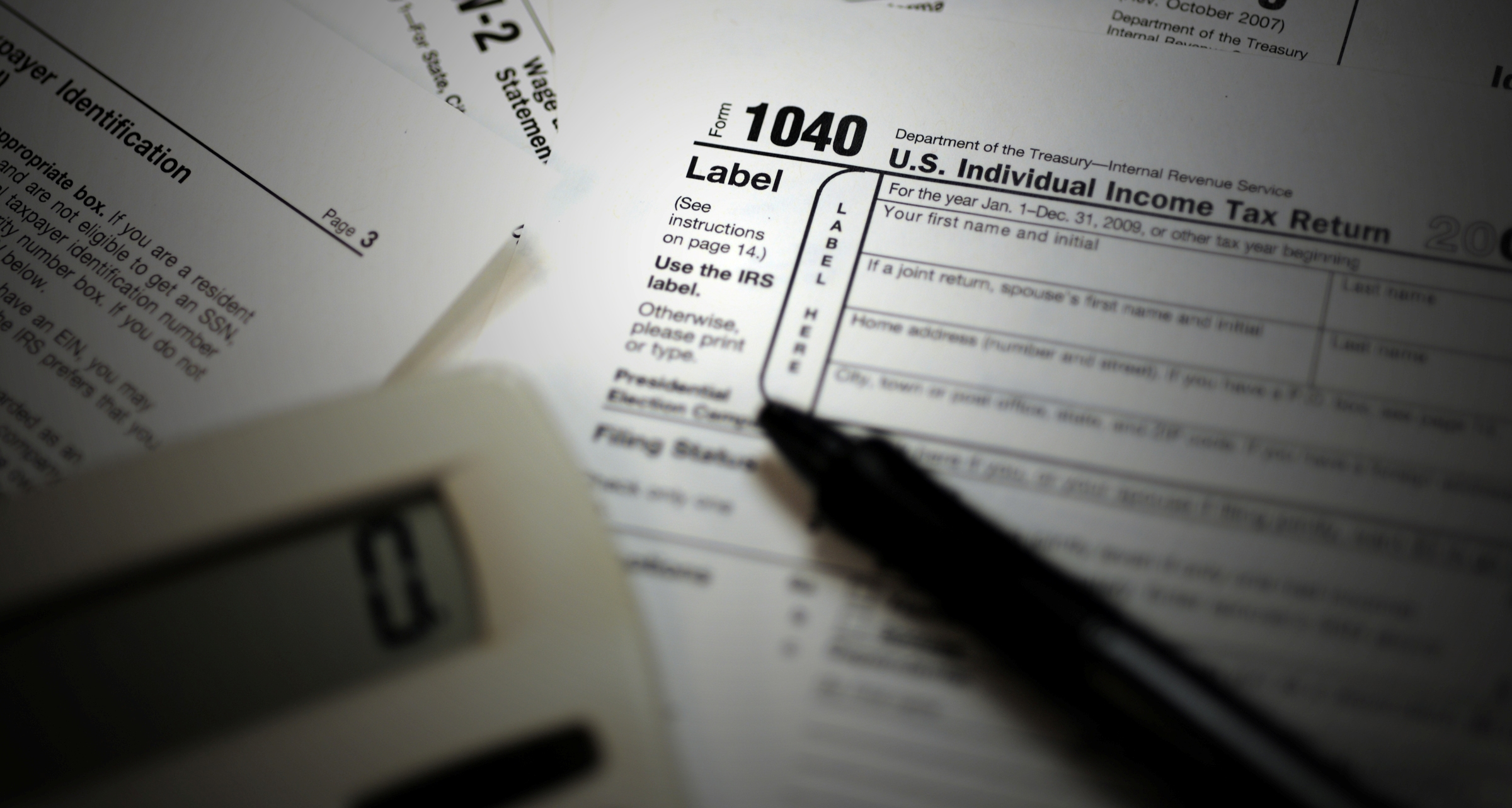
At first blush, it seems highly unlikely that any correspondence from the Internal Revenue Service would bring good news. However, I recently received an IRS letter that, if I did not exactly celebrate, I could in many respects welcome.
Read more What Graham Platner Did At His Brother’s Wedding Revealed His Repulsive Character 10 Years Ago
It appears the IRS is stepping up its anti-fraud game, taking additional measures to ensure the security of households’ tax returns — not to mention taxpayer dollars. Despite the small inconvenience these measures caused me and perhaps some readers, they should make all of us safer over time.
Verification Letter
The letter from the IRS, called a 4883C, included the following:
We recently received a tax return for tax year 2025 using your name and Social Security number (SSN) or individual taxpayer identification number (ITIN). If you DID file: Call our Taxpayer Protection Program hotline at [number redacted] between 7 a.m. and 7 p.m. local time. We need more information from you to verify your identity and tax return information so we can continue processing your tax return and issue a refund, or credit any overpayments to your next year’s estimated tax. We can’t process your return until we hear from you.
I found those last two sentences slightly concerning. I didn’t receive a refund or overpayment credit on my 2025 return. In fact, I owed a sizable sum, which I paid on April 15. Couple the language in the letter with the identity theft I suffered due to lax security practices by the D.C. Exchange several years ago, and I feared my personal information had been used to file a fraudulent return, one in which crooks had attempted to claim refunds or credits in my name.
I first called my accountant about the notice. She assured me it was legitimate and encouraged me to call the IRS hotline. She told me that, while she had not often seen the IRS use these types of letters over her several decades as an accountant, a few of her clients had recently received letters similar to mine. She said those clients had reported back to her that the IRS had issued the letters simply as a precautionary measure and not because of any fraudulent returns filed in their names.
The next day, I called the IRS and completed the verification process over the phone. The customer service representative asked specific questions about my tax returns — not just the 2025 return I had filed this spring, but also prior years’ returns to ensure there were no anomalies with my account.
Read more After Decades Of Anti-America Indoctrination, Don’t Expect A Big 250th Celebration
At the end of the process, I explained the history of identity fraud in my name to the customer service representative and asked if I had received the letter because of fraudulent returns. He assured me there were no other returns filed using my name and Social Security number and that the letter was just issued as a precautionary measure. (Presumably, the IRS included language in the form letter about processing refunds, even though it didn’t apply in my case, to make sure taxpayers don’t disregard the notices.)
Good Housekeeping Practice
This being the government, the IRS notice gave me some moderate hassles. It took several phone calls over the course of a day and a failed attempt to verify my return online before I connected with a representative who could complete the verification process. All told, I estimate I spent a little over an hour processing the notice, including the conversation with my accountant.
But the Government Accountability Office (GAO) recently that the federal government made at least $186 billion in improper payments in the fiscal year that ended last Sept. 30. And several IRS-administered programs, including the Earned Income Tax Credit and Obamacare Exchange subsidies, feature improper payment rates in excess of 30 percent, not to mention the fraud concerns associated with Obamacare subsidies that GAO documented in depth in a last December.
If more rigorous use of verification measures like the letter I received helps reduce or eliminate fraudulent government payments, then I suspect most taxpayers will accept the minor inconvenience that comes along with them. Some people might get frustrated if the verification process delays their tax refunds, but taxpayers shouldn’t plan their finances around getting big refunds (i.e., giving the government an interest-free loan) to begin with.
The IRS notice in my mail represents another piece of evidence suggesting the Trump administration is taking the fight against fraud seriously. That’s something taxpayers of all political stripes should welcome.
Read more ‘Pride Month’ Is Proof That Institutional Neutrality Is A Lie