
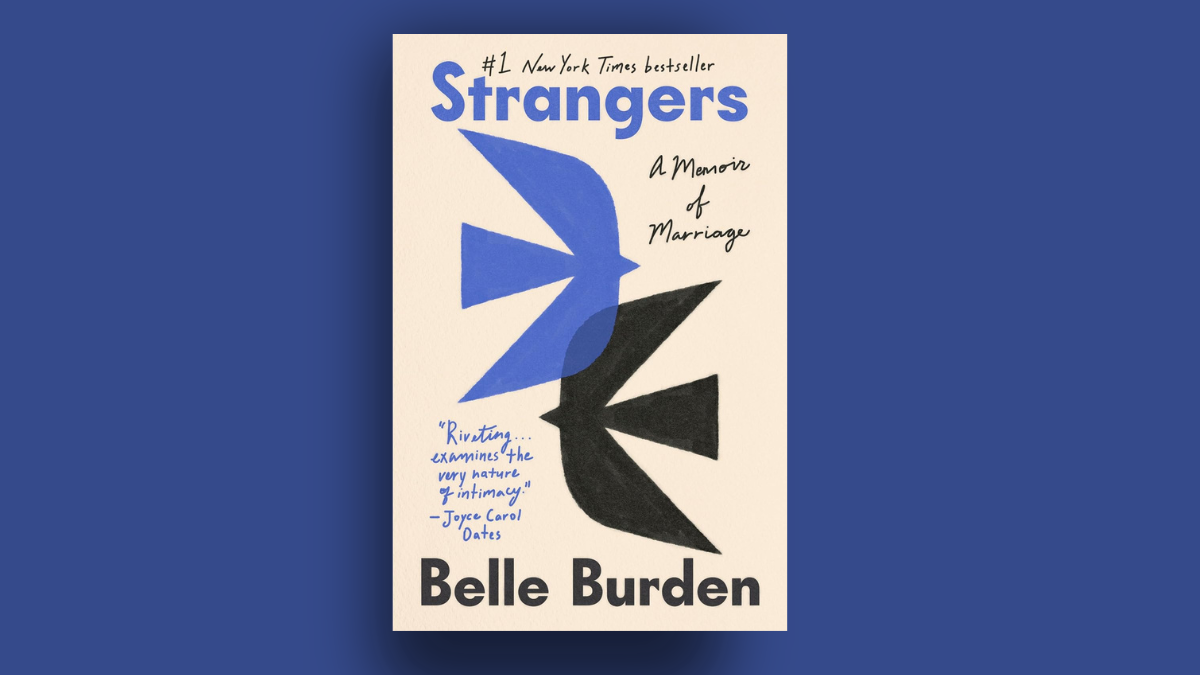
Strangers: A Memoir of Marriage by Vanderbilt heiress Belle Burden is a runaway bestseller. But it tells us more about what marriage has become in our culture than what it is. A more accurate subtitle would have been “A Memoir of Divorce.”
Read more John Eastman Asks SCOTUS To Protect Speech Rights Of Lawyers Doing Their Jobs
Admittedly, Burden’s story has a twist. Most often, it’s women who abandon marriages. This time, Burden’s husband of 20 years blindsides her with an affair during Covid, leaving her and the children to fend for themselves at their beach house. Both lawyers, he’d become a wealthy hedge fund guy while Burden became a stay-at-home mom.
No doubt Burden’s pain was real. Her husband’s actions were inexcusable. Betrayal is heinous. Divorce often follows infidelity. Her husband apparently refused therapy, too. But Burden admits she didn’t try to talk her husband out of divorce, even though his behavior was wildly out of character. Instead, she only wanted to know why he’d left. The only explanation she gives for going along with the breakup is that she felt she couldn’t change his mind, though she doesn’t explain why.
Not Much Insight about Marriage
It was hard to get a handle on Strangers. The book didn’t seem to know what it wanted to be. I kept waiting for a phoenix to rise from the ashes, but that moment never came.
Like many people of privilege, Burden has a family history littered with divorce. Indeed, children of divorce are more likely to divorce themselves, and Burden worried about passing on the legacy to her children. But that only makes her quick capitulation all the more confusing. Research suggests too that daughters (Burden has two) might have happier marriages when a parent resists divorce.
Burden yearned for a “normal family, a stay-at-home mother … a life with no divorces, no mean nannies, no split time, no loneliness.” So she became what she’d wanted and chose a husband she believed to be a grounded provider without a roving eye.
Her desire was correct. Humans are naturally drawn to marriage. Marriage and family mirror the very trinitarian nature of God, marriage’s creator. Burden noted, however, that she rejected her Catholic upbringing and all religion. By all accounts then, she knew little about marriage’s sacred, covenantal nature, which joined Burden and her husband as one flesh.
The closest she gets to expounding on her understanding of marriage is describing the surface relationship between her father and his second wife, whom she dubbed the “perfect couple.” They danced in the kitchen, were curious, fun-loving, and perfect hosts, were genuine and relaxed, and loved dogs. But where’s the transcendence that comes from the hard work and long-suffering that forges bonds and maintains commitment?
Burden’s story is not unique. There are far more heroic stories out there, especially those about reconciliation and spouses fighting for their families. As Burden noted in theessay that became the basis for her book, the “rest of the story is filled with more clichés.” Her story was different, she said, because it occurred during Covid. But that’s not unique either.
In short, her story needed an agenda to become a blockbuster and serve the anti-marriage propaganda favored by the media and publishing industry. The genre started with Elizabeth Gilbert’s Eat, Pray, Love, which glorified a woman ditching her husband and traveling the world to find herself. Over the years, it has spawned a spate of books trivializing marriage. Now, after a bidding war, Strangers is being adapted into a movie starring Gwyneth Paltrow, who hawked the debunked myth of the good divorce more than a decade ago.
Sadly, this Harper’s Bazaar headline seems to nail it: “Belle Burden’s Memoir Is Making People Hate Their Husbands.” And marriage.
Read more By Firing Election Bureaucrats, Trump Is Just Doing What SCOTUS Ruled He Can Do
A Vehicle for Feminist Talking Points
Actress and author Isabel Gillies, who blurbed the book, termed it “a call to feminism,” reminding women not to “fall asleep at the wheel.”
Marriage certainly requires trust. But Strangers undermines relationships in an era when marriage is already flailing. Burden admits it’s a “cautionary tale” for women not to trust husbands with the bank book, urging wives to maintain focus on what will happen “if the marriage ended.” Because if an heiress follows the rules of the patriarchy and becomes a stay-at-home mom — and still can’t protect herself — what hope is there for other women?
In reality, though, most women want to stay at home with their children, a trend that greatly alarms feminists. Fresh-faced Burden is the perfectly packaged vehicle for feminists to reassert their tired talking points in the face of a growing interest in homemaking.
For example, Burden writes that her pro bono work gave her a sense of accomplishment. Perhaps work “could be a way forward for me,” she says. Her doctor tells her, “women become less interesting to men when they don’t work,” and others promise, “if you work, this won’t happen to you.” In other words, lean in, remain in the workforce, and outsource the rearing of your children.
Strangers also reduces marriage to a financial transaction. Burden started her marriage on rocky ground, with a prenup that eyed divorce. She’d promised her mother she would sign one before getting married. But what about her marriage vows?
After Burden’s husband requested a divorce, much of her attention turned to money. Under the prenup, the parties kept their separate earnings. But Burden had left work to stay home and elected to put her husband’s name on mansions purchased with trust funds. She told Drew Barrymore she risked losing “my financial security,” writing that she “fell into a deep well of despair.” She seemed apoplectic over losing her private club membership. Burden wrote she succumbed to her husband’s settlement terms after he brought her “to my knees.”
But, as documented by the New Yorker, Burden’s take after the divorce was: two homes worth about $20 million, another $3 million, $600,000 per year in child support (until age 22), and an unspecified amount in copious add-ons like private school, tutoring, health insurance, etc. She kept her club membership and private beach key worth $400,000. Plus five trusts and other accounts worth about $10 million.
Spouses are entitled to their fair share in divorce. When I lost the fight for my marriage, I fought for my home and stability too. The poverty and negative divorce consequences endured by tens of millions of voiceless spouses and children for decades under our irresponsible no-fault divorce laws have been devastating. In contrast, Burden’s book at times felt like privilege porn.
The bravemen and women fighting for their marriages and to restore respect for marriage and family in our culture are mostly ignored. Instead of championing them, Burden has elected to use her massive pulpit to further undermine marriage and rail against the patriarchy. How unimaginative and sad.
Read more We Are Living Through An Era Of Cultural Destruction