

Moving from Rochester to Dover may look straightforward on a map, but the furniture inside a home can determine how smoothly the relocation actually unfolds. Oversized sofas, solid-wood dining sets, antique cabinets, bedroom furniture, and awkwardly shaped pieces all require more thought than simply placing them inside a truck.
A furniture-focused approach gives the move a different rhythm. Instead of treating every item as another box to load, homeowners can identify pieces that need measuring, disassembly, protection, and careful placement before the truck arrives.
Start With the Furniture That Creates the Biggest Challenges
Walk through the Rochester home and identify the possessions that cannot be easily carried by one person.
Large sectionals, tall bookcases, glass-top tables, recliners, mattresses, armoires, and heavy desks should be placed on a separate moving list. Note their approximate dimensions and whether they can be taken apart.
Look Beyond Weight
Shape matters just as much as weight. A lightweight but unusually long sofa can be more difficult to maneuver than a compact heavy cabinet.
Check stairways, hallways, doorways, and tight corners at the current property. Then compare those measurements with the entrances and rooms at the Dover residence.
Protect Surfaces Before Moving Day
Furniture can suffer damage even when it never falls or is dropped.
Corners may scrape walls, polished wood can pick up marks, and upholstery can become dirty while passing through entryways. Protective wrapping, padding, and careful handling help reduce these risks.
Best Moving Services are particularly valuable when a household contains furniture that requires more attention than standard cartons. Discuss delicate or oversized pieces in advance rather than waiting until loading begins.
Photograph Pieces Before Disassembly
Some furniture is easier to transport after partial disassembly.
Remove table legs, shelving, bed frames, cabinet components, or other detachable sections when appropriate. Before doing so, photograph how everything fits together.
Place screws, brackets, washers, and other hardware into labeled bags. Attach each bag to its corresponding furniture piece so small components do not disappear among the moving boxes.
Give Special Furniture Its Own Strategy
Not every item should be handled in exactly the same way.
Antique furniture, heirloom pieces, mirrors, glass surfaces, and finely finished wood may require additional protection. Identify these belongings separately and tell the moving crew about their condition before loading.
Consider the Destination Room
Knowing where furniture will go in Dover can influence how it is carried from the truck.
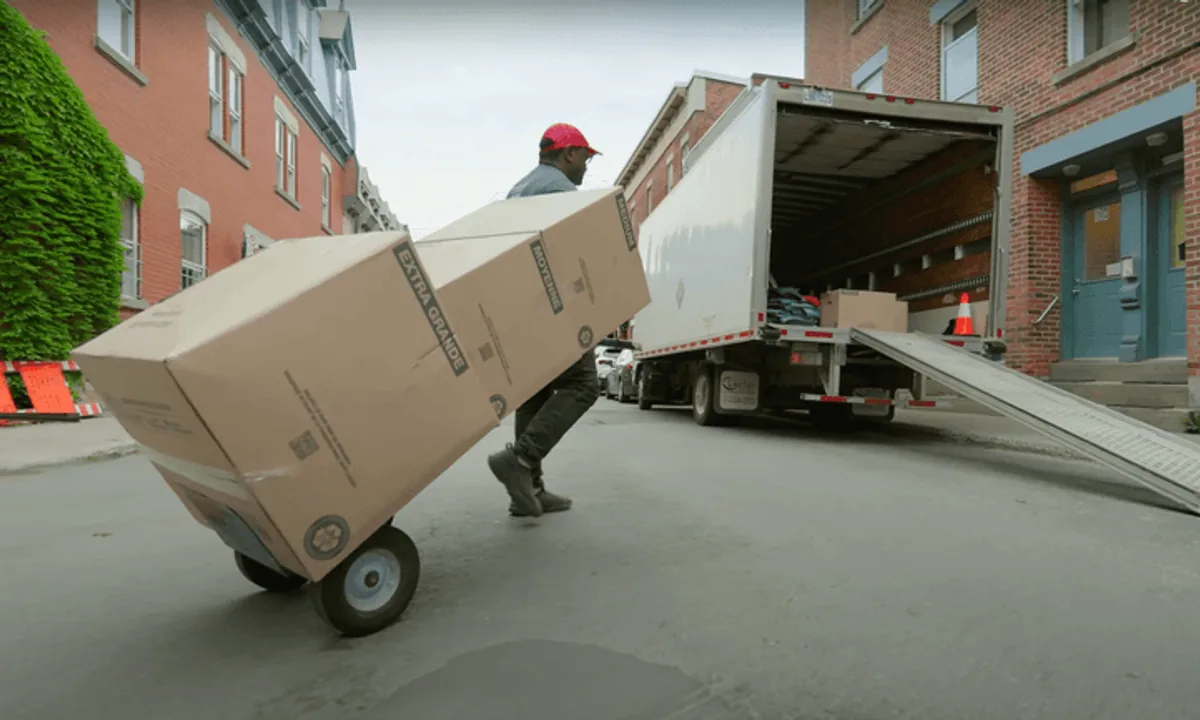
If a large cabinet belongs on an upper floor, confirm the staircase dimensions beforehand. If a sectional must pass through a narrow doorway, determine whether individual sections can be separated.
A little planning at the destination can prevent a heavy item from being carried into the wrong room and moved again.
Prepare the Rochester Departure Route
Furniture handling begins before the first item reaches the truck.
Clear hallways and entrances of unnecessary objects. Remove small decorations from furniture being transported and keep pets away from the loading area.
If the home has stairs, make sure steps and landings are unobstructed. The easier it is to establish a clear route, the less time the crew spends navigating around household clutter.
Plan Around Dover’s Layout
Before moving day, walk through the new property with furniture dimensions in hand.
Decide where major pieces will sit and measure narrow passages. This is particularly important for older homes or residences with unusual room configurations.
Create a simple placement plan for large items. It does not need to be complicated; even a handwritten room-by-room list can prevent confusion during unloading.
Keep Delicate Items Separate
Small valuables and fragile personal possessions should not be buried underneath ordinary household belongings.
Keep jewelry, important documents, small electronics, collectibles, and irreplaceable personal items with you whenever practical.
Furniture hardware, assembly instructions, and tools should also remain accessible rather than being packed into an unidentified carton.
Use New Hampshire Moving Resources Before the Move
A relocation between two New Hampshire communities can benefit from planning that accounts for both the household and the specific property involved.
Information about regional moving options can be reviewed at https://starvanlinesmovers.com/locations/new-hampshire before final arrangements are made.
Best Moving Services can help coordinate the physical side of a move, but accurate information from the homeowner remains essential. Providing furniture dimensions, photographs, access details, and special-handling requirements gives the crew a clearer picture of what awaits them.
Make Unloading Just as Deliberate as Loading
The move does not end when the truck reaches Dover.
Large furniture should be directed toward its intended room as early as possible. Keep the placement plan available and communicate which pieces require additional care.
Best Moving Services can make furniture relocation more manageable when the unloading sequence has been considered ahead of time.
With careful measurements, appropriate protection, organized hardware, and a clear destination plan, the Rochester-to-Dover transition can be built around the furniture that matters most. Rather than treating bulky pieces as an afterthought, making them central to the moving strategy creates a more controlled and efficient arrival.